Trip lens
Quieter streets
Closer to Ansonborough at dusk: porches, old facades, and the calmer Charleston that rewards a slower weekend.
Where to stay in Charleston
By PickOneAlready
Last fact-checked March 2026
30 min read
Charleston is small enough to feel simple and tricky enough to punish the wrong base. The best trip is the one where dinner, walking, and the hotel all line up without you needing a car every hour.
The cleanest first answer
If you want the quieter luxury answer, Zero George still has the sharpest case. For everyone else, the cleaner move is solving the neighborhood first and letting the hotel choice get easier from there.
Trip lens
Closer to Ansonborough at dusk: porches, old facades, and the calmer Charleston that rewards a slower weekend.
Trip lens
The daytime peninsula you actually use: Marion Square, side streets, and the walk between coffee and dinner.
Trip lens
More like Upper King after dark: movement, dinner traffic, and the louder version of Charleston that works when the night is part of the plan.
Fast picks
If you already know the trip shape, you may not need the whole page. Start with the strongest all-around answer, then only go deeper if your budget, noise tolerance, or hotel style changes the recommendation.
This guide is built for travelers who are usually spending about $180-400 a night. If that is not your trip, tell us what changes and we will narrow the tradeoffs faster than the page can.
If The Dewberry is sold out, The Pinch is the easiest way to keep the same neighborhood logic without restarting the whole decision.
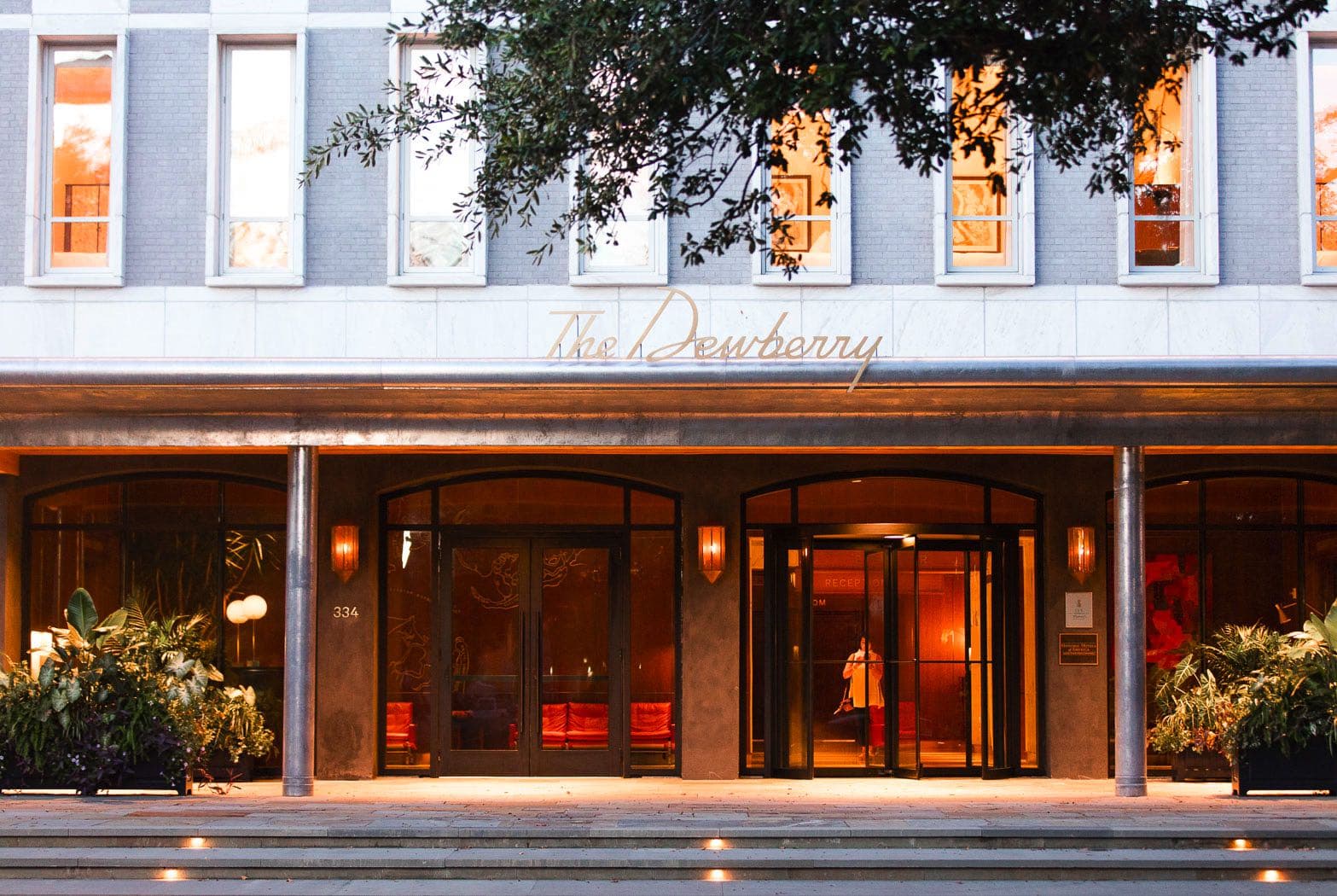
Start here
Start hereUpper King Street
$$$ · $378+ per night
The easiest all-around answer if you want design, restaurant access, and a hotel that still feels like a real Charleston stay.
Jump to hotel
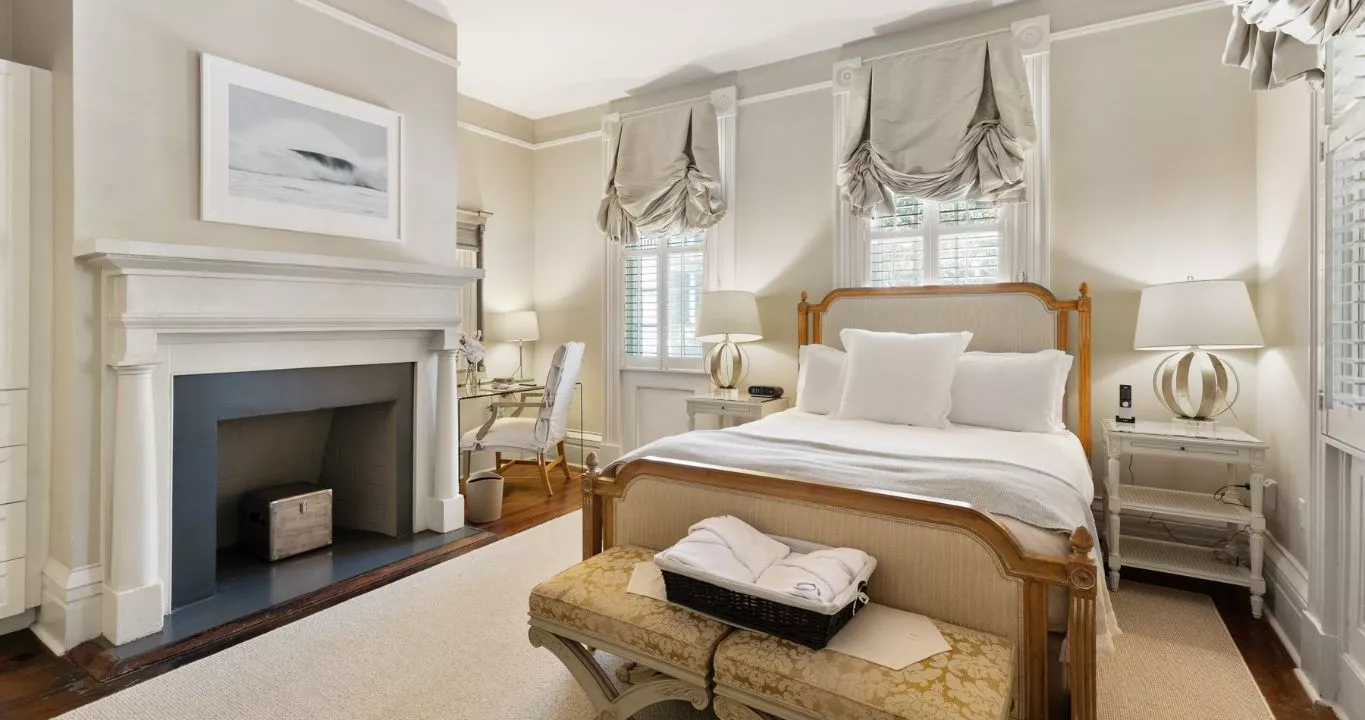
Best insider luxury
Ansonborough
$$$ · $350-500 per night
The smaller, sharper answer when subtlety matters more than visible hotel energy.
Jump to hotel

Best value move
Cannonborough-Elliotborough
$$ · $180-280 per night
The right call when you want personality and location without paying full luxury-hotel pricing.
Jump to hotel
If two of these still feel right for different reasons, skip ahead and tell us about the trip. That is where we are more useful than the page.
Neighborhood context
This is the part that usually changes the answer. Read it straight through if you are still sorting out the map, then use the hotel shortlist once the neighborhood logic feels clear.
City truth
South of Broad wins the morning walk and loses the hotel decision. The smarter base is the one that makes dinner, bars, and late-night logistics easy without making the city feel generic.
City truth
Charleston is small, but the restaurant gravity is not evenly spread. If you care about Vern's, Wild Common, Malagon, FIG, or Chubby Fish, the right half-mile matters more than most first-timers expect.
City truth
Once you land in the right neighborhood, the hotel choice becomes clearer: Dewberry for design, Zero George for quiet luxury, 86 Cannon for food-first intimacy, Bennett for statement energy.
How the city works
The useful move is not memorizing every pretty block. It is understanding the handful of areas that solve the trip differently enough to change the hotel recommendation.
How to read Charleston
Most people do not need a map puzzle here. They need to know whether they want the easiest all-around base, the sharper food-first version, the quieter luxury pocket, or the obvious first-trip zone.
First-timers who still want good taste, couples with multiple dinner reservations, and travelers who want the easiest yes.
Watch for: Upper King weekends can get loud, and metered parking downtown is annoying enough that driving to dinner is usually a mistake.
Repeat visitors, people who built the trip around restaurants, and couples who care more about dinner than rooftop cocktails.
Watch for: Hotel supply is thin here. If 86 Cannon is sold out, you are choosing the neighborhood by dining from nearby rather than sleeping in it.
Luxury travelers who hate showiness, repeat Charleston visitors, and couples booking a quieter splurge.
Watch for: There is very little hotel inventory here, so the right answer is usually Zero George or nothing.
Almost nobody. It's a sightseeing neighborhood, not your smartest hotel base.
Watch for: If you stay here, you are paying for scenery and then leaving the neighborhood for the parts of Charleston that are actually active after breakfast.
Readers who prioritize convenience, service, and staying in the middle of the historic district.
Watch for: This is where visitors accidentally spend an entire trip in the most tourist-shaped version of the city.
This is the easiest default for most readers: central, busy, food-forward, and still close enough to feel like Charleston instead of just a postcard district.
Gotcha: Upper King weekends can get loud, and metered parking downtown is annoying enough that driving to dinner is usually a mistake.
This is the sharper, more food-obsessive version of Charleston: younger, more local, less polished, and closer to the Michelin cluster than anywhere else.
Gotcha: Hotel supply is thin here. If 86 Cannon is sold out, you are choosing the neighborhood by dining from nearby rather than sleeping in it.
Quiet, residential, beautiful, and slightly removed from the downtown churn. This is where Charleston starts to feel private.
Gotcha: There is very little hotel inventory here, so the right answer is usually Zero George or nothing.
The postcard neighborhood: beautiful, slow, historic, and far better for walking than for booking a hotel.
Gotcha: If you stay here, you are paying for scenery and then leaving the neighborhood for the parts of Charleston that are actually active after breakfast.
Convenient and deeply walkable, but much more tourist-shaped than Marion Square or Cannonborough.
Gotcha: This is where visitors accidentally spend an entire trip in the most tourist-shaped version of the city.
Charleston sells itself as a romance city. Pastel houses, church steeples, carriage rides, sunset at the Battery. Fine. Go walk all of that. Then make the actual trip decision based on dinner, because that is what will decide whether the weekend feels easy or irritating.
The inaugural 2025 Michelin Guide for the American South changed the way we view Charleston. Three 1-star restaurants landed within a few blocks of each other in Cannonborough-Elliotborough, and the rest of the serious dining map sits close enough that the wrong hotel choice is no longer charming, it is just inefficient. Stay in the right part of the peninsula and Charleston feels compact, walkable, and sharp. Try the wrong part and you spend the weekend shuttling between the version of the city you booked and the version you actually came for.
That is why the safest answer for most readers is Marion Square or Upper King, with Hotel Bennett and The Dewberry as the smartest hotel choices in that zone. If the whole trip is built around restaurant reservations, 86 Cannon is the sharper move because it keeps you inside the major food zone instead of adjacent to it. If you want the quieter, better-informed luxury answer, Zero George in Ansonborough is the one.
The two mistakes to avoid are easy. Do not book the French Quarter just because City Market looks central. It is central to tourist foot traffic, not to the best version of Charleston. And do not book South of Broad because the photos look most Charleston. South of Broad is a beautiful walk but a weak hotel strategy.
Everything else on this page is really one argument: choose the neighborhood first, then hotel choice will follow.
This is the neighborhood where locals would actually stay. Not because it is the prettiest or most curated, but it the most useful version of downtown Charleston: central, plenty of great restaurants, and a nice vibe.
Marion Square is the geographic anchor, a real park with real life around it, including a Saturday farmers market worth waking up for, not just to snap some IG pics. Hotel Bennett sits directly on the square. The Dewberry is a few blocks north on Upper King, with The Pinch in the same corridor.
King Street itself runs north-south through the peninsula and breaks into three distinct sections. Lower King is antiques and galleries. Middle King is retail and fashion. Upper King, where the dining action is, starts around Beaufain Street and runs toward the Crosstown. That stretch is where the best restaurants cluster, where happy hours are worth honoring, and where Friday night feels lively.
From a room in Marion Square, you are in easy walking distance of some fantastic cuisine:
The catch for this neighborhood here, though, is the sound. Upper King on a Friday or Saturday night is quite active. The hotels on that strip, particularly The Dewberry, sit in a neighborhood with real energy. Want restaurant access without the weekend noise? Book Ansonborough instead and walk eight minutes to everything. Parking: metered downtown rules change by block. Availability during the day is annoying, and driving to dinner becomes a hassle. Uber to dinner instead. You will thank yourself every night you do it.
Some travel guides still describe Cannonborough-Elliotborough as up-and-coming. That is old information. In practice, this is the neighborhood that already won Charleston's dining argument. Michelin did not create that reality in late 2025. Michelin finally caught up to it.
This is the part of Charleston where people have somewhere to be. Dinner, wine, coffee, a quick stop before dinner, another stop after dinner. The energy is not ceremonial and it is not tourist-programmed. It feels like people who live in a city using their own city. That matters because once the walk from hotel to dinner is three minutes instead of fifteen, Charleston stops feeling like a historic set and starts feeling like a real neighborhood.
The stays available here are limited in a useful way. 86 Cannon is a ten-room, adults-only B&B with a saltwater pool and interiors that feel more considered than a standard guesthouse. It is the entire hotel supply of the neighborhood for visitors in the target range. The strictly enforced adults-only policy is not incidental, it is part of what makes the property feel deliberate. The pool is small and beautiful. The service is B&B-paced, which means no 24-hour front desk, and you should be comfortable with that before booking. It is not a conventional hotel stay. It is a very good neighborhood stay.
The practical case for sleeping here rather than in Marion Square: Vern's is at 41 Bogard Street, effectively two blocks away. Wild Common is at 103 Spring Street, three blocks. Malagon is a block away. Chubby Fish, a Michelin-selected raw bar with casual buzzy energy, is on the corner. Chez Nous gives you the intimate bistro version of Charleston dining nearby. Xiao Bao Biscuit, not Michelin, but a real signal that the neighborhood has genuine range beyond the prestige dinner circuit, is four blocks out.
If 86 Cannon is sold out, the neighborhood does not disappear as a strategy. Book The Pinch or Zero George and keep Cannonborough as your dinner neighborhood by walking or taking a short ride. But if the trip is built around restaurants and you want to inhabit the logic rather than commute to it, this is the stay.
The booking note that matters most: as of March 16, 2026, Vern's reservations were opening on Resy 30 days ahead at noon EST. There is a walk-in bar at the restaurant if you do not get the reservation, and calling for new reservations is not how it works. Recheck the timing before you build the whole trip around it, then set the Resy alert and be ready.
Ansonborough is the answer for people who want Charleston to feel composed. You are not cut off from the restaurants that matter. You are just far enough from the self-conscious churn of the tourist core that the city stops performing for you every hour.
That is why Zero George works here and would not land the same way on a louder block. It is a 16-suite compound spread across four residences dating to 1804. There is no grand front-desk moment. There is barely any hotel signal from the street at all. The place succeeds because it feels residential first and expensive second. Conde Nast Traveller put it on the 2025 Gold List, and the on-site restaurant is Michelin-selected, but the more important fact is emotional: staying here feels like disappearing into the right part of Charleston instead of checking into a scene.
It is not only a repeat-visitor move. It is also a very strong first-trip choice for anyone whose reflex is to avoid overexposed hotels.
FIG is nearby. Husk is close. Upper King is still an easy walk when you want it. The difference is that when dinner is over, you actually get to leave the noise behind instead of taking it upstairs with you.
The warning is simple. Small inventory means real scarcity. Popular spring and fall weekends do sell out well ahead, and there is no obvious substitute that copies the same combination of scale, quiet, and location. If Ansonborough sounds like your version of luxury, do not treat Zero George like something you can come back for later.
South of Broad is beautiful and strategically wrong for most visitors. That sounds harsher than it is. Walk it, absolutely. Just do not build the trip around sleeping there.
This is the Charleston from postcards and engagement shoots: Rainbow Row, the Battery, the old houses with enough visual confidence to make the rest of the country look recently assembled. Early morning is the move. Go before breakfast, before the carriages, before everybody starts aiming their phones at the same facades. At that hour, the neighborhood feels earned.
The problem starts the minute you treat that beauty as hotel logic. There are not many hotels here because it is largely residential. The dining gravity is elsewhere. The nightlife is elsewhere. Even a simple coffee-and-walk day usually sends you north. So you end up paying for scenery that works best in one clean morning block, then commuting back to it as if that were the point of Charleston.
If what you want is romance, quiet streets, and historic atmosphere, book Ansonborough or Wentworth Mansion and walk South of Broad on purpose. That gives you the same visual payoff without sacrificing the rest of your trip to a gorgeous dead zone.
Harleston Village is the part of the peninsula that makes Charleston feel old in a lived-in way rather than a preserved-for-tourists way. The College of Charleston gives it some daytime circulation, but the streets still read mostly residential, shaded, and calm. It is not the easiest part of town for a restaurant-first weekend. That is exactly why it works for the right trip.
The whole case rests on Wentworth Mansion. If you are celebrating something and want the hotel to carry half the emotional weight, this is the strongest argument in town. The 1886 mansion has 21 suites, dramatic interiors, and a scale of hospitality that feels overdone in a satisfying way. Circa 1886 matters because it changes the rhythm of the stay: you can dress for dinner, stay on property, and let the night feel self-contained instead of logistical.
The tradeoff is straightforward. Harleston Village is a little off the main restaurant loop. Not far, but far enough that most dinner plans become ride-share plans instead of default walks. If your trip is built around maximizing dinner flexibility, stay farther north. If the trip is an anniversary, a proposal weekend, or a "we are paying for the whole mood" kind of stay, this neighborhood finally makes sense.
The French Quarter is where first-time visitors accidentally stay when they optimize for landmarks instead of the trip they actually want. The case for it is obvious: City Market, Waterfront Park, Fort Sumter ferries, carriage tours, church steeples, old facades, all within a short walk. If your Charleston is primarily a sightseeing weekend with one or two nice dinners layered in, this neighborhood is convenient.
That is also the limitation. It is the part of town most fully arranged around visitors, which means it can start feeling like you are walking through Charleston with the guidebook already open in front of you. The restaurants closest at hand are more likely to be good-enough crowd handlers than the places that justify the city's dining reputation. This is where people mistake foot traffic for signal. Hyman's Seafood almost always has a line. Ignore the line.
If you do want to stay here, The Spectator is the cleanest version of the choice because it leans into personality instead of pretending the neighborhood is quieter or more local than it is. It has 41 rooms and suites, the hotel says it offers the city's only hotel butler service, and The Bar is part of the appeal if you like a little theater with your stay. The right guest here is not the person chasing the most "authentic" Charleston. It is the person who wants classic sights nearby, likes service with some flourish, and is comfortable treating the hotel as part of the entertainment.
For most readers, though, the better move is to visit the French Quarter, not default to it. Walk the waterfront, do the history, then go sleep somewhere that gives you a better version of the rest of Charleston.
In November 2025, the inaugural Michelin Guide for the American South included Charleston. The effect on the city's dining reputation was immediate and deserved. Three restaurants received one star, all of them in the same tight geography.
Vern's at 41 Bogard Street brings seasonal American cooking to a warm, small room in Cannonborough. The reservation is the one visitors ask about first. As of March 16, 2026, the official guidance was Resy 30 days ahead at noon EST, with a walk-in bar as the fallback, not by phone, not by email. Recheck that timing before you plan the trip around it. Pricing runs around $120-150 per person before drinks.
Wild Common at 103 Spring Street is a precision tasting menu in a small room that does not carry the ceremonial weight most tasting-menu restaurants project. The menu was running around $95 as of March 2026. Verify current pricing before booking, as this changes. The seat count is small, which means the booking window matters; treat this as a plan-ahead reservation.
Malagon is the third one-star in the cluster, and arguably the most accessible-feeling of the three. Modern Spanish cooking, a wine-forward room, a lively atmosphere. The price range runs $80-120 per person. It is not a casual walk-in, but it is less intimidating than the word Michelin often suggests.
Beyond the one-stars, the Michelin Selected list for Charleston includes FIG, Husk, Slightly North of Broad, and Chubby Fish in the seafood-casual register. The Bib Gourmand list includes Leon's Oyster Shop for Lowcountry casual, Rodney Scott's BBQ for South Carolina whole-hog barbecue done correctly, and Lewis BBQ for Texas-style in the emerging food corridor north of downtown near Edmund's Oast and Revelry Brewing.
That north-of-downtown pocket matters even if you are not staying there. NoMo is where Charleston loosens its collar a bit: barbecue, beer, patios, bigger rooms, less ceremony. For most first-timers it is a meal neighborhood, not a hotel neighborhood. It still matters because it reminds you Charleston is not only candlelit tasting menus and polished dining rooms.
One more restaurant worth naming at the elevated end: official sources describe a year-long collaboration between Daniel Humm and Charleston Place that launched October 2, 2025. As of March 2026, it was still presented as active. If that collaboration is still running when you are reading this, it represents exactly the kind of culinary investment that tells you where Charleston dining has moved. If it is no longer bookable, it still tells you something: that the city is now pulling chefs of that caliber for extended residencies, which was not the story two years ago. Verify before booking. This is a time-sensitive claim.
The practical advice across all of these: the one-star restaurants reward the 30-days-in-advance approach. The Michelin Selected restaurants are more approachable on shorter lead times but still benefit from planning on peak weekends. The Bib Gourmand options, particularly Leon's, have wait times that are a logistics question rather than a reservation warfare scenario.
If you only do the graceful-houses version of Charleston, you are not misunderstanding the city so much as accepting the version it has always been easiest to sell. The International African American Museum is where that version stops being enough.
The museum stands at Gadsden's Wharf, one of the most significant entry points for enslaved Africans brought into North America. That location is not symbolic window dressing. It is the point. Charleston's beauty, wealth, architecture, and social mythology make less sense without the history the museum is there to confront directly. Go because it is one of the most important institutions in the city, not because you feel obligated to balance out the restaurants and piazzas.
Give it real time. Two to three hours is a reasonable floor, not an overestimate, and weekend timed-entry slots are worth booking ahead. If this page is telling you where to stay in Charleston, it should also tell you this: a serious Charleston trip makes room for the museum.
King tide flooding is real and predictable. October through December, low-lying streets in Charleston, particularly near the Battery and lower King Street, flood during king tides. The water blocks streets for one to four hours. It is not an emergency; it is a seasonal reality for a peninsula city. Do not walk through floodwater. It has been mixing with stormwater infrastructure that you do not want to put your feet in. Check tide charts before early morning walks during that window. The flooding is minor and predictable, not catastrophic, but ignoring the planning note is the mistake.
Parking downtown is a consistent frustration. Metered rules change by block. Availability during the day is annoying. Free street parking after 6pm exists but is competitive. If you are driving to dinner, you are spending part of the evening thinking about parking instead of dinner. Uber to every meal. Park the car once at the hotel and do not move it until you check out. This advice applies regardless of where you stay.
Hyman's Seafood is a tourist trap. The line outside 215 Meeting Street is evidence of tourist inertia, not quality. Every local in Charleston will tell you the same thing. There are too many genuinely excellent seafood options, Chubby Fish, Leon's Oyster Shop, the raw bar at half the restaurants in Cannonborough, to spend a meal at a place where the line is literally the disqualifier.
Upper King Street on Friday and Saturday nights is loud. This is a feature of the neighborhood, not a bug. But if you want the restaurant access without the bar-district noise at 11pm, book Ansonborough and walk to everything instead.
Cobblestones on historic streets are not forgiving. The old city has real cobblestone surfaces on certain streets that are beautiful and uneven in equal measure. Plan footwear accordingly. Heels will catch, and nothing turns a good evening into a frustrating one faster than unsuitable shoes on uneven historic pavement.
Charleston has no real skyline. It is deliberate. Buildings cannot exceed the height of St. Michael's Church steeple. The city feels low and human-scaled and that is a policy, not an accident. The architectural landscape you see is the one the city actively protects.
March through May is the strongest window for most travelers. Weather is comfortable enough to walk all day without discomfort. Gardens are at their most photogenic. The Wine and Food Festival in March is a major demand driver for both hotel pricing and restaurant availability. Book well ahead if your dates overlap with it. The Spoleto Festival USA runs late May into early June and raises hotel pressure significantly while changing the city's rhythm in interesting ways. Restaurant reservations in this window still reward planning; the Michelin-facing restaurants get tighter.
September through November is arguably the best food-focused window. Restaurant season is strong, the heat has backed off from summer intensity, and the energy of the city in fall is genuinely excellent. Peak fall weekends price accordingly. Expect $300 or more per night at most properties in this guide. The Michelin one-star bookings get tighter here than any other time of year. The caveat is king tide season: October through December brings predictable street flooding in low-lying areas, and late hurricane season is technically active through November, though the actual risk by late September and October is lower than the official calendar suggests.
June through August is the hardest season to recommend. The heat and humidity on a July afternoon are not compatible with the walking-forward trip this guide describes. Hotels are not cheap enough to feel like a real bargain in exchange for the weather. Hurricane season is active. Restaurant energy dips as some staff and regulars leave for cooler climates. If August is the only available window, it is still a city worth visiting, just with lower expectations for how much outdoor time will feel pleasant.
You want the easiest strong yes? Hotel Bennett, Marion Square.
You want design energy and a rooftop scene? The Dewberry, Upper King.
You want quiet luxury and you have already been to Charleston once? Zero George Street, Ansonborough.
You are building the trip around the Michelin cluster? 86 Cannon, Cannonborough. Book early.
You are staying three or more nights and want a residential feel on Upper King? The Pinch.
You want a full mansion experience for an occasion and strong on-site dining? Wentworth Mansion, Harleston Village.
You care about butler service and the hotel experience more than the neighborhood? The Spectator, French Quarter.
You want to stay in South of Broad? Walk it instead. Sleep somewhere useful.
The Cooper is expected to open on the waterfront in early 2026 as a sister property to Charleston Place, 191 rooms, four dining concepts, an on-site marina, and a waterfront East Bay Street location. It is too new to have real guest signal. The dining execution at opening-phase properties is often uneven, and neighborhood fit for a waterfront luxury hotel takes time to understand clearly. Worth tracking as the year progresses, but it is not on the recommended shortlist until reviews accumulate and the dining concepts find their footing. Watch this space.
If you want the answer tailored to your trip, tell us a little about it and we will narrow this to one hotel.
Last reviewed March 2026. We may earn a commission if you book through our links.
Mistakes to avoid
It is easy, central, and full of tourist gravity. That is exactly why many trips start feeling generic there. It works only if the hotel itself is strong enough to justify the trade.
Go there at sunrise, walk the Battery, take the pictures, then leave. It is one of the city's best walks and one of its weakest hotel strategies.
Downtown parking is annoying enough that driving to dinner usually feels like self-sabotage, and king tide flooding is a real fall nuisance. The useful move is to plan around both before you arrive.
Still deciding?
Charleston is already baked in. What matters now is whether you want restaurant gravity, calmer sleep, better value, or a hotel that can carry the whole mood by itself.
What to tell us
Budget ceiling.
Quiet sleep or more scene.
Restaurant-first or hotel-first.
We will give you one hotel and explain why.
Hotel picks
Start with the strongest answer, then only move sideways if the tradeoff is real.
7 real options, not a padded list. Sweet spot: $180-400/night.
Featured pick
$$$ · $378–500
Design-forward, mid-century, rooftop scene
Why the base works: This is the easiest default for most readers: central, busy, food-forward, and still close enough to feel like Charleston instead of just a postcard district.
Honest take
Scale
116 rooms
Era
mid-century modern, 1960s federal building
Use this when
design-conscious travelers, couples
Why it stands out
If you later book through one of our hotel links, we may earn a commission.
Insider's luxury, understatement, Michelin-selected restaurant on-site
Neighborhood edge: Quiet, residential, beautiful, and slightly removed from the downtown churn. This is where Charleston starts to feel private.
Skip this if: Very small - 16 suites books out months ahead
Best for: luxury travelers in the know, repeat visitors, anniversaries
Adults-only B&B in Michelin restaurant cluster, saltwater pool
Neighborhood edge: This is the sharper, more food-obsessive version of Charleston: younger, more local, less polished, and closer to the Michelin cluster than anywhere else.
Skip this if: B&B = less hotel service (no front desk 24/7)
Best for: couples, food-focused travelers, people wanting neighborhood immersion
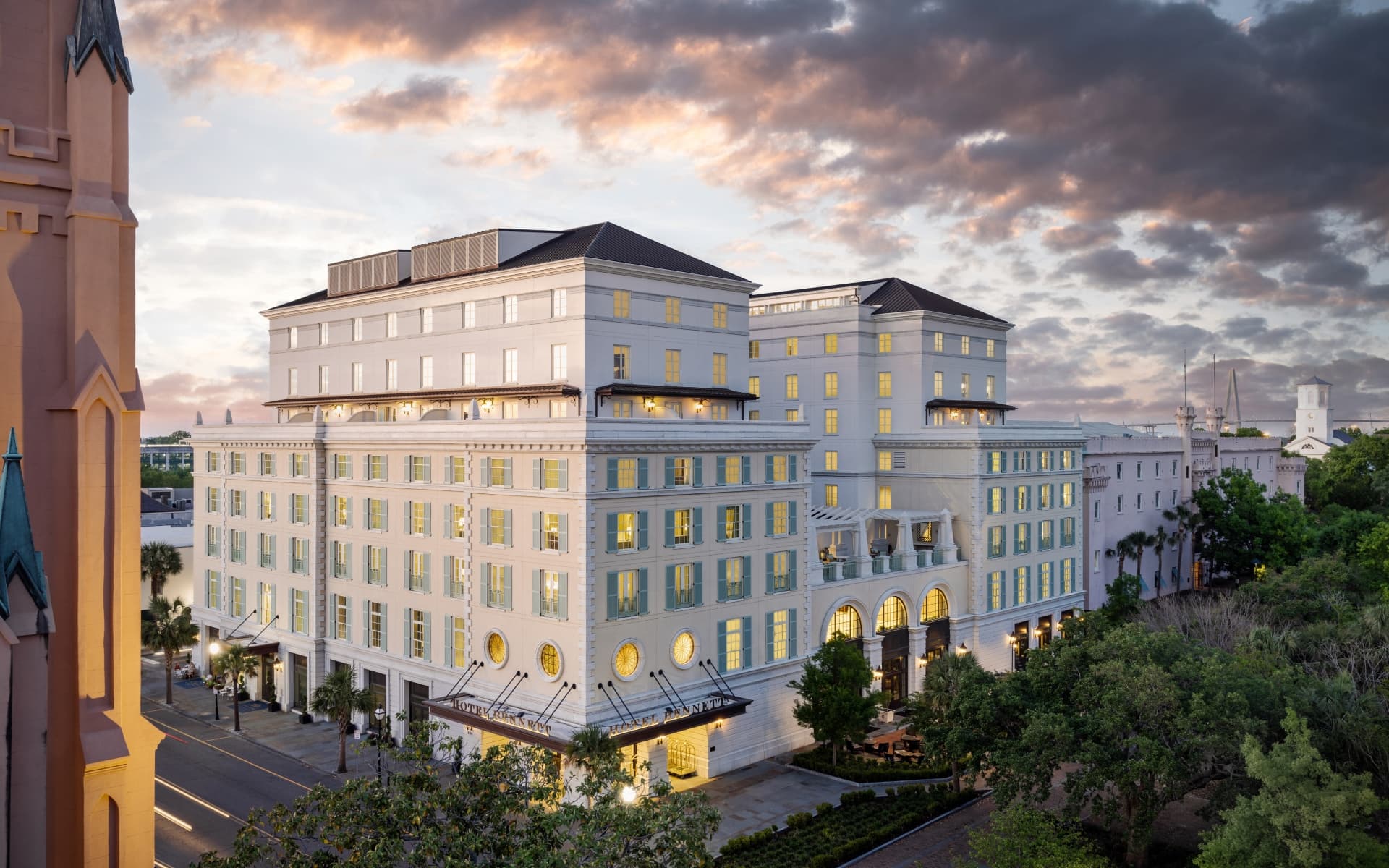
Grand European, statement property, central location
Neighborhood edge: This is the easiest default for most readers: central, busy, food-forward, and still close enough to feel like Charleston instead of just a postcard district.
Skip this if: Larger hotel (179 rooms) - less intimate
Best for: people who want statement luxury, great bar scene lovers, farmers market enthusiasts (Saturday morning)
Also worth considering
These are still real recommendations. They just solve narrower problems than the lead picks above.
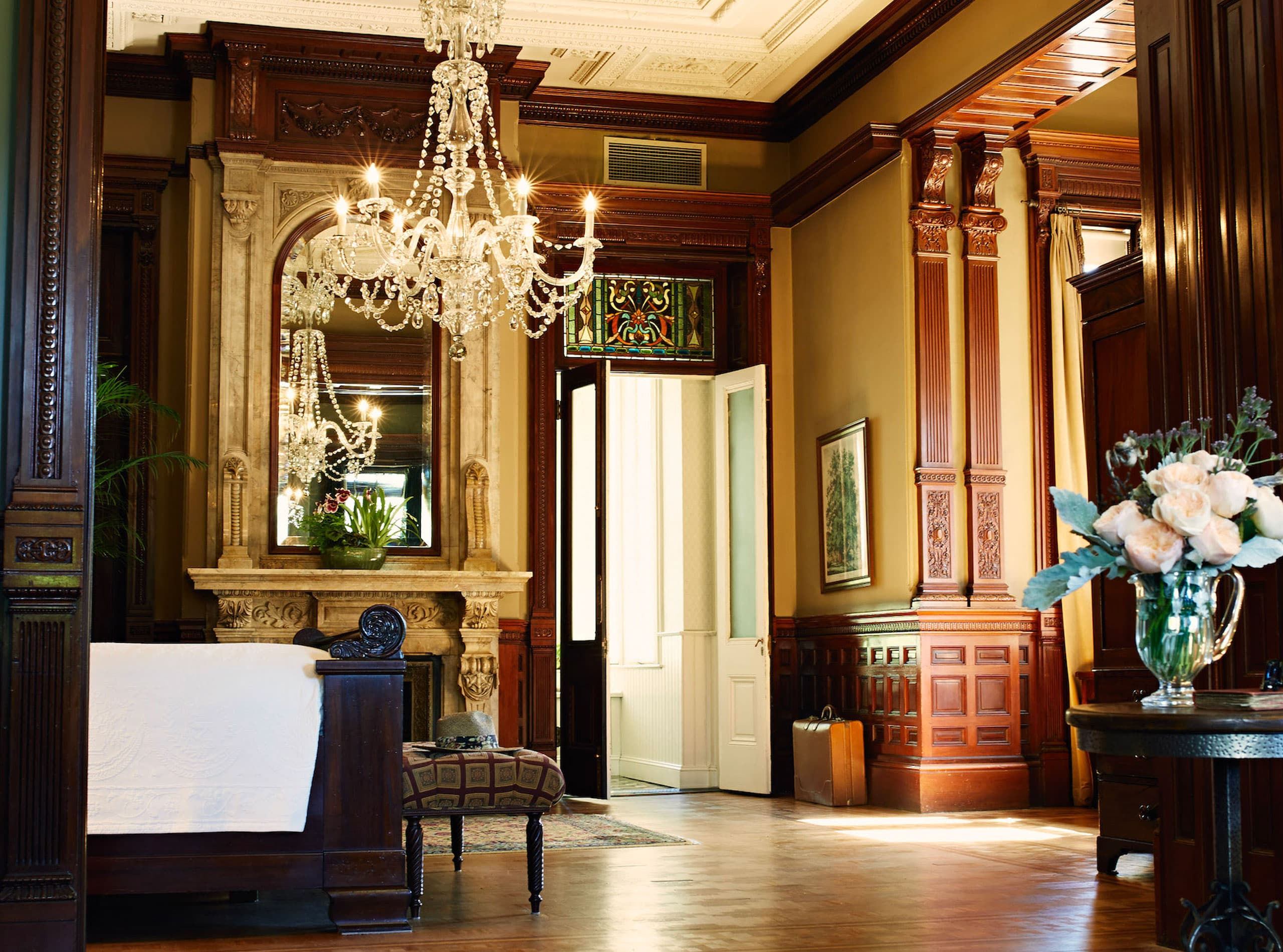
Historic 1886 mansion, opulent suites, strong on-site dining
Use this when: luxury travelers, special occasions (anniversaries, proposals), people who want a strong on-site restaurant
Tradeoff: Slightly removed from King Street action (5 min walk)
If you later book through one of our hotel links, we may earn a commission.
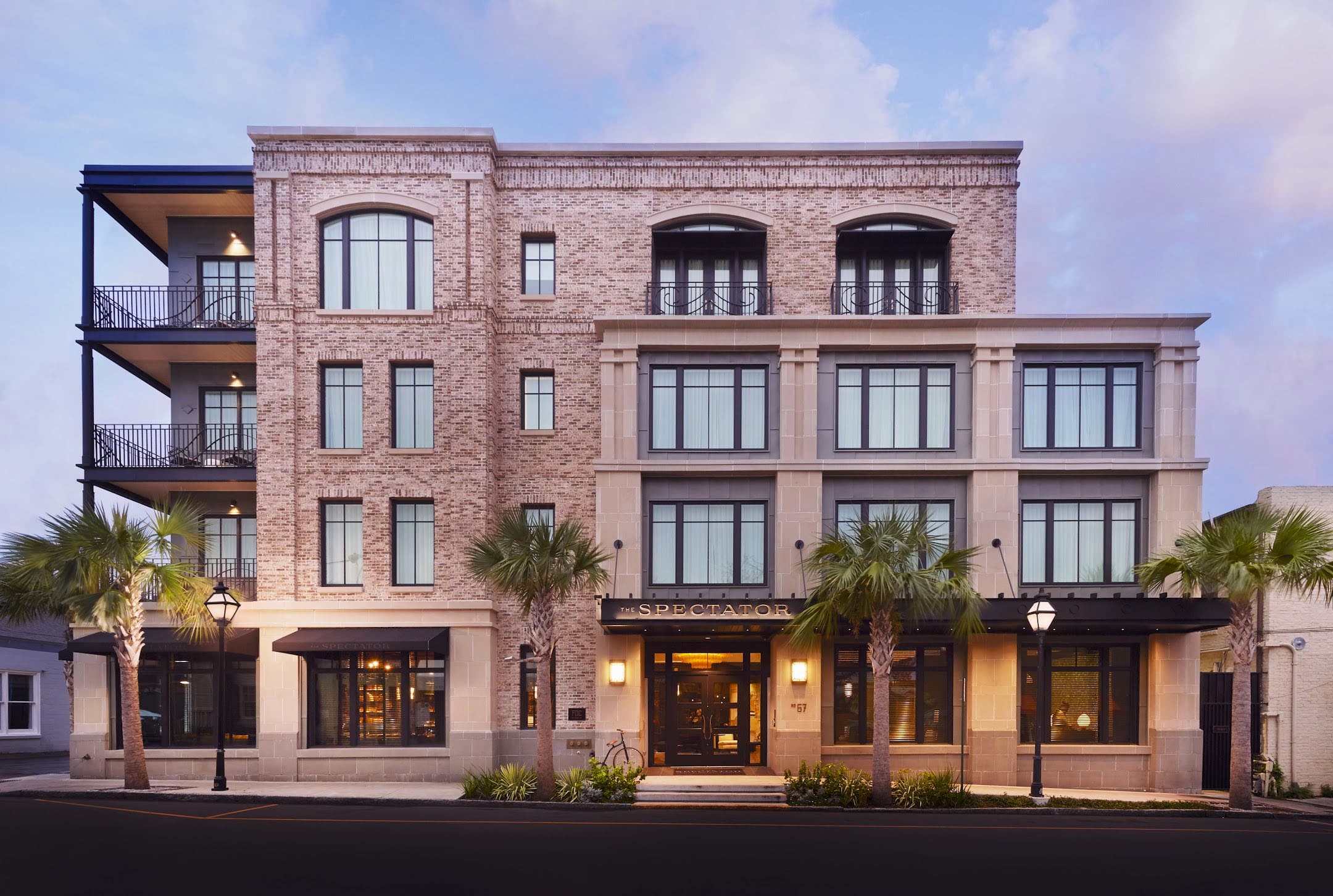
24-hour butler service, speakeasy bar, theatrical
Use this when: people who want service theater, special occasions, people who value hospitality
Tradeoff: French Quarter location = more tourists
If you later book through one of our hotel links, we may earn a commission.
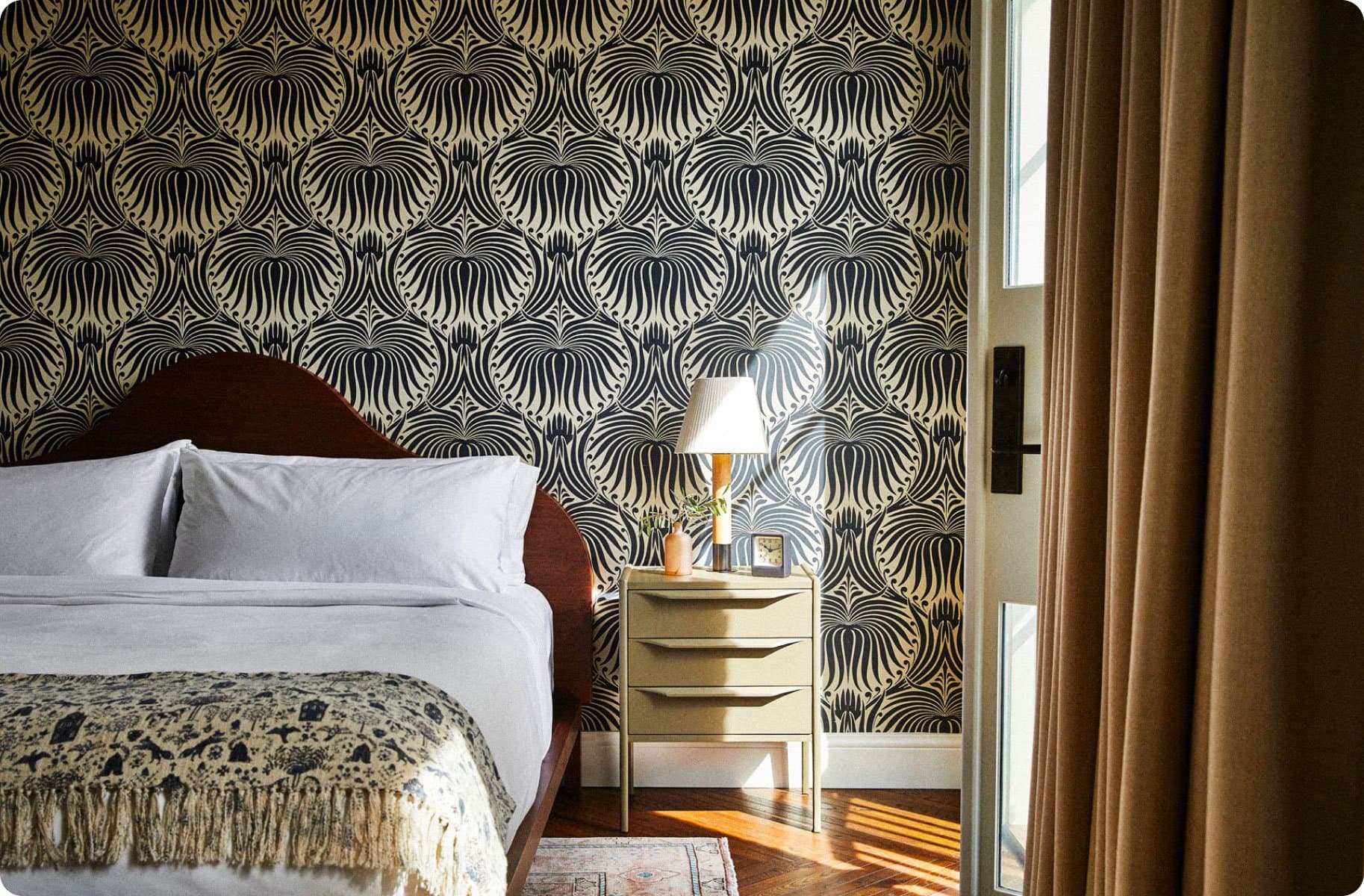
Residential feel on Upper King, built for longer stays
Use this when: multi-night stays (3+ days), couples who want more room than a standard boutique hotel, travelers who like design but not full-service formality
Tradeoff: Room mix varies, so not every stay feels equally residential
If you later book through one of our hotel links, we may earn a commission.
FAQ
Marion Square and Upper King are the safest default because they keep the food map, the historic core, and the strongest hotel set in balance. The French Quarter looks central on a map, but most first-timers end up walking away from it for dinner.
The Dewberry is the cleanest all-around answer for most readers because it gets the location right and still feels like a hotel with a point of view. Zero George is the insider splurge, not the universal default.
Zero George Street is the quieter luxury pick. It feels residential, subtle, and better informed than the grander downtown hotels if you do not need a rooftop scene.
Booking the French Quarter because City Market looks central, or South of Broad because the photos look the most Charleston. Both mistakes turn a walkable, dinner-led weekend into a logistics weekend.
Usually no. If you stay in the right part of the peninsula, parking becomes more annoying than useful and rideshares are easier when the weather turns or dinner runs late.
Treat Vern's as the one to plan around first. As of March 16, 2026, Vern's reservations were opening on Resy 30 days ahead at noon EST and the walk-in bar was the fallback, but recheck before you build the trip around that timing. Wild Common and Malagon still reward advance planning, but they are not the same panic-inducing reservation as Vern's.
No. It is worth walking early in the morning for Rainbow Row and the Battery, then leaving. The postcard part of Charleston is a great walk and a weak hotel strategy.
Mostly October through December. They are predictable, usually minor, and annoying rather than trip-ending, but they can block low streets for a few hours and make the prettiest walking routes less useful if you ignore them.
Yes. It is essential if you want Charleston to make sense as a real place rather than just a beautiful backdrop. Give it two to three hours and book timed entry in advance on a weekend.
Still deciding?
If you already know which hotel fits, book it. If you still have two good options and want us to break the tie, this is the faster move.
Last reviewed March 2026. We may earn a commission if you book through one of our hotel links.